Commercial Fishing Injury: What to Document in the First 72 Hours | Offshore Injury Help
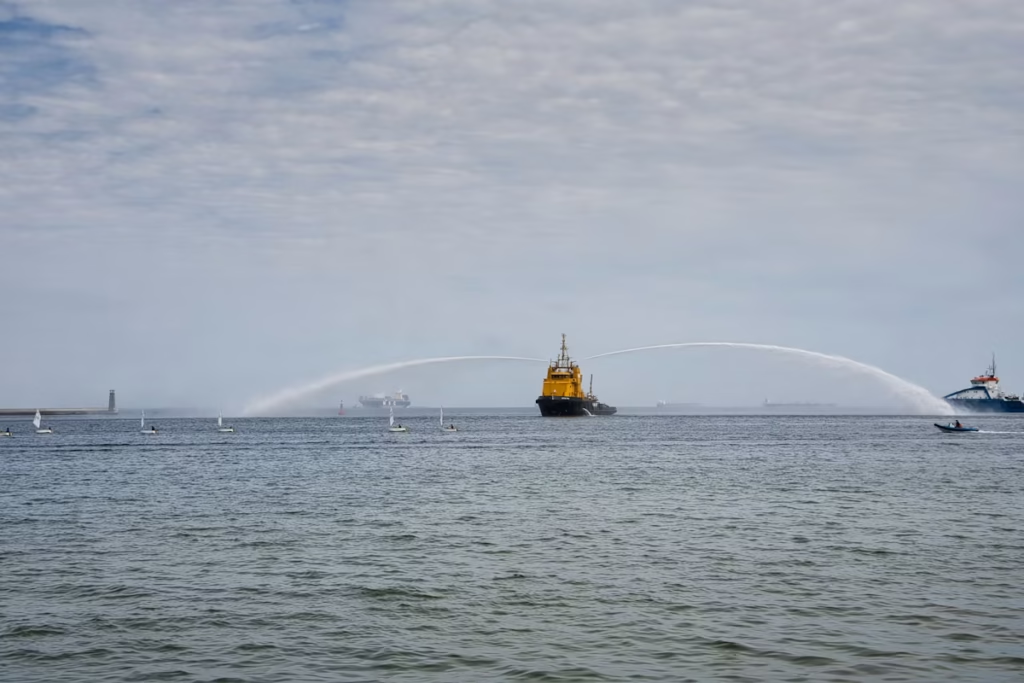
Documenting what happened in the first 72 hours after a commercial fishing injury can make the difference between a strong case and a weak one. Here is the documentation checklist that matters most.
DOHSA Explained: How Wrongful Death at Sea Is Compensated Under Federal Law | Offshore Injury Help
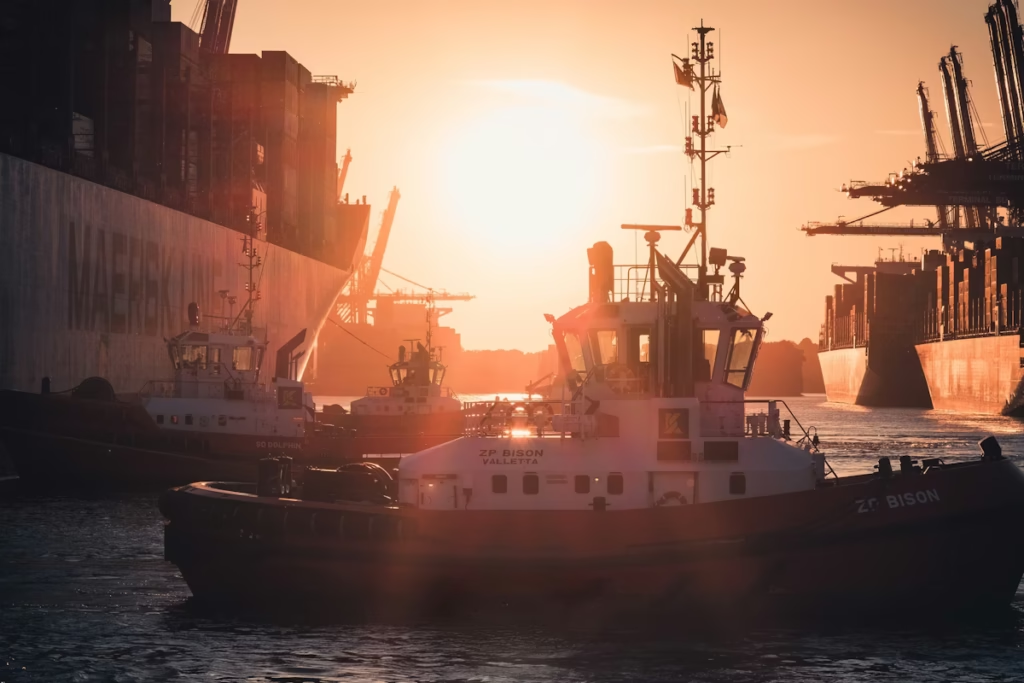
The Death on the High Seas Act limits how families can recover when a worker dies more than three nautical miles from shore. Here is what DOHSA does and does not allow, and how it interacts with the Jones Act.
How Much Is an Offshore Platform Injury Claim Worth? The Factors That Drive Settlement Value | Offshore Injury Help
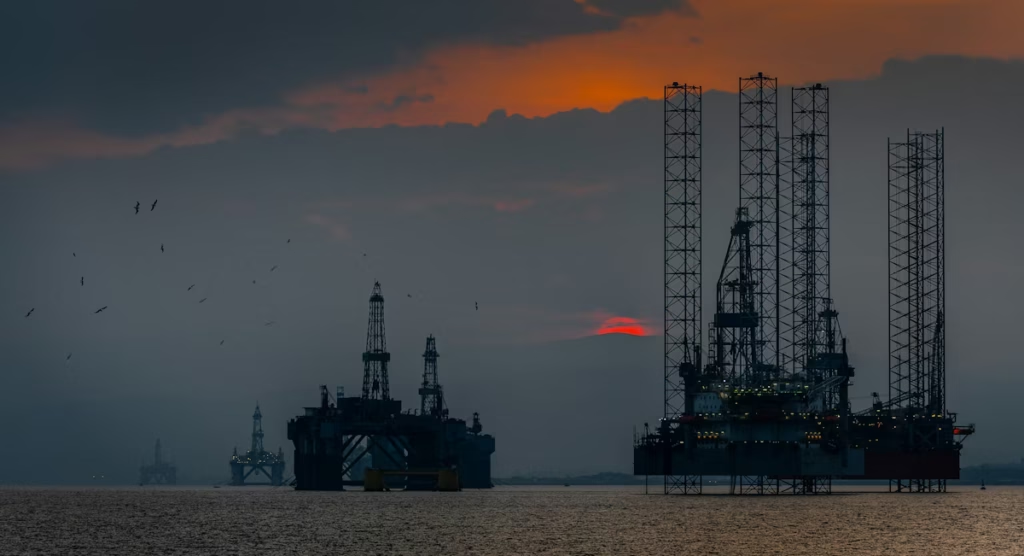
Offshore platform injury settlements vary widely, from modest payouts to seven-figure outcomes. Here are the specific factors that determine settlement value, and what tends to drive cases up or down.
LHWCA vs. Jones Act: Which Federal Framework Covers Your Maritime Injury? | Offshore Injury Help
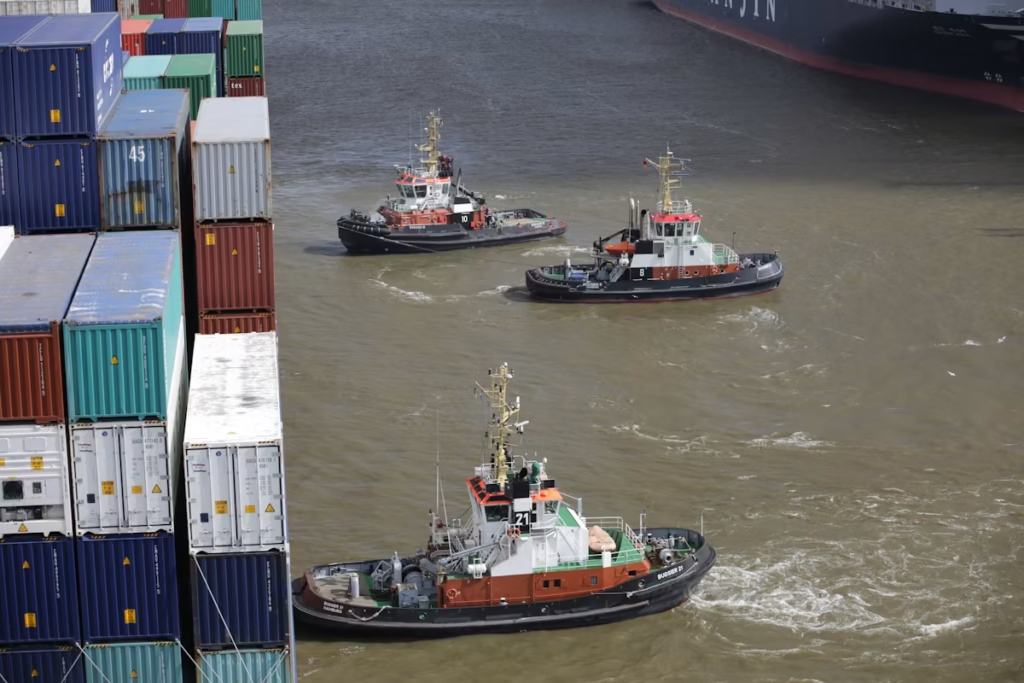
The Jones Act and the LHWCA both cover maritime workers, but they apply to different people and produce dramatically different outcomes. This guide walks through how to tell which framework covers your situation.
Who Qualifies as a Jones Act Seaman? The Status Test Explained | Offshore Injury Help
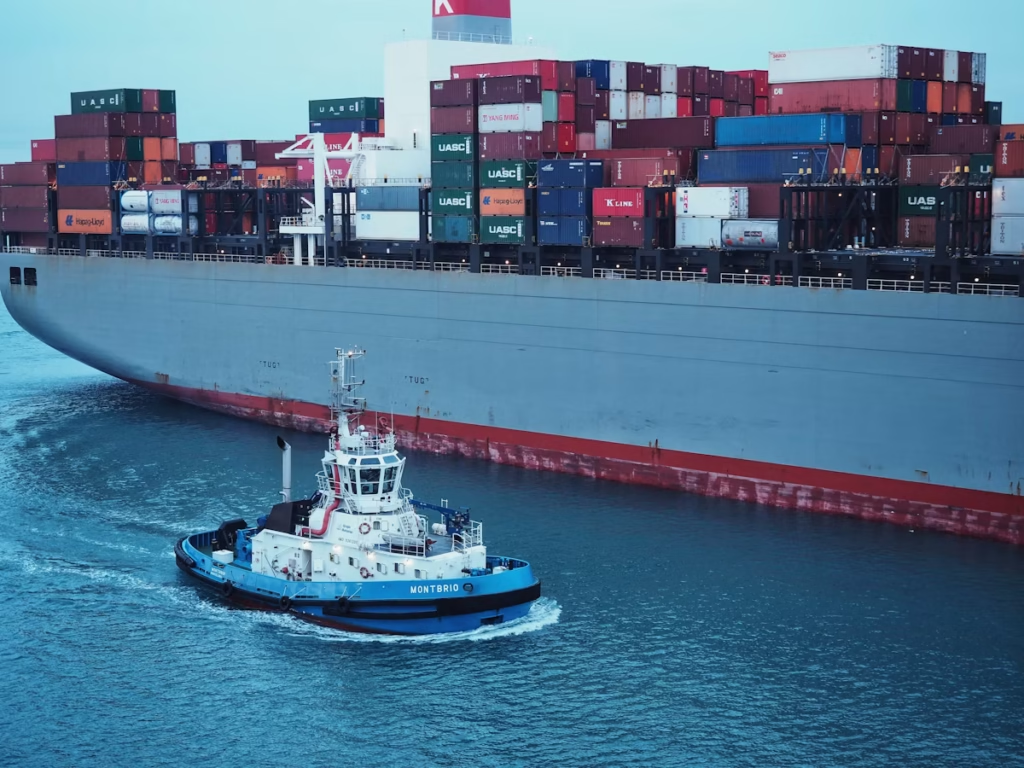
Whether you qualify as a Jones Act seaman determines whether you can sue your employer for negligence, and the test is more nuanced than just working on a vessel. Here is how courts evaluate seaman status, and why a few small facts about your job can change the entire framework that applies.